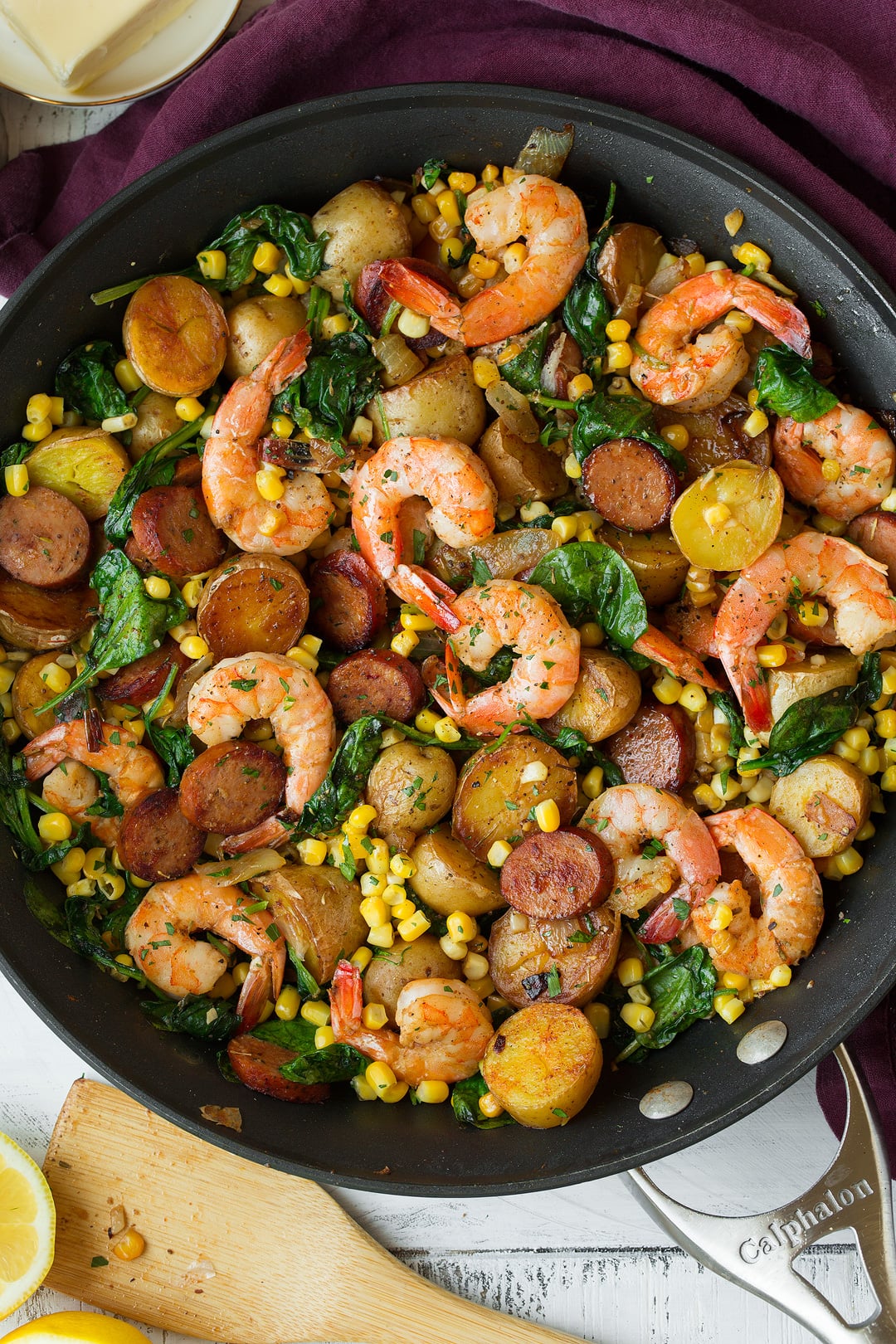
Skillet Shrimp Boil Secrets: Layering & Searing for Flavor Perfection
The allure of a classic shrimp boil is undeniable. Picture this: the intoxicating aroma of seasoned seafood wafting through the air, the vibrant medley of crimson shrimp, golden corn, and earthy potatoes, all served with a communal spirit. It's a culinary experience steeped in Southern tradition, a celebration of flavor and togetherness. However, the reality of preparing a traditional boil often brings with it a less romantic vision: a colossal pot, a mountain of dirty dishes, and the potential for a watery, underwhelming outcome. For years, home cooks have chased that authentic, robust flavor, often met with either kitchen chaos or culinary disappointment. But what if we told you there’s a way to capture the very soul of a true boil, without the colossal mess?
Enter the shrimp boil skillet – a game-changer that transforms a daunting feast into a weeknight hero. The secret isn't some exotic ingredient or a complicated technique, but rather a simple yet profound shift in methodology: strategic layering and masterful searing. By building flavor directly in a single pan, every drop of that spicy, buttery goodness is captured and concentrated, ensuring each bite is infused with the authentic spirit of a boil. This isn’t just a recipe; it’s a revelation, promising a vibrant, flavorful, and incredibly satisfying meal that will have your family asking for seconds, not wondering who’s tackling the cleanup. It's the ultimate No-Mess Shrimp Boil Skillet: Authentic Flavor, Easy Weeknight Meal.
From Southern Tradition to Skillet Perfection: What is a Skillet Shrimp Boil?
At its heart, a shrimp boil, also known as a seafood boil or Low Country Boil, is a cherished culinary tradition from the American South. With regional variations spanning Texas, Louisiana, South Carolina, Georgia, and Florida, these communal meals typically involve boiling fresh shrimp, smoky sausage, sweet corn, and tender potatoes in a generously seasoned pot. The ingredients steep in a potent broth, soaking up an array of spices, often with a Cajun or Old Bay influence, before being drained, piled high, and served with a drizzle of melted butter and a squeeze of fresh lemon.
The shrimp boil skillet takes this beloved tradition and ingeniously adapts it for the modern kitchen. Instead of a large boiling pot, all the familiar flavors—tender shrimp, robust Andouille sausage, in-season sweet corn, and delicious red potatoes—are united in a single, versatile skillet. This one-pan approach not only drastically reduces cleanup but also allows for a different, often more intense, flavor development. Through searing and strategic layering, the ingredients don't just boil; they caramelize, blend, and deepen, creating a concentrated essence that truly elevates the dish beyond its traditional counterpart. It's truly a One-Pan Wonder: Why Skillet Shrimp Boil Outshines the Traditional Mess.
The Skillet Revolution: Mastering Layering and Searing Techniques
The true magic of a successful skillet shrimp boil lies in understanding and executing its core techniques: searing to build flavor, and layering ingredients according to their cooking times. These principles transform a simple collection of ingredients into a harmonious, flavor-packed dish.
The Foundational Sear: Unleashing Andouille Flavor
Do not underestimate the power of browning your Andouille sausage first. This isn't just about cooking the sausage; it's about setting the foundational flavor for the entire dish. As the sausage sears, its fat renders out, creating a rich, flavorful base in the skillet. This rendered fat becomes the cooking medium for subsequent ingredients, infusing them with a smoky, savory depth right from the start. Beyond the fat, the searing process itself caramelizes the sausage, developing irresistible crispy edges and a more complex flavor profile. Take your time with this step; it pays dividends in the final taste.
Strategic Potato Prep & Placement
For a true skillet "boil" experience that cooks efficiently and evenly, potato preparation is paramount. Uniformity is key: ensure your potatoes are cut into smaller, consistent pieces. This guarantees they cook through at roughly the same rate as the other ingredients. If you're working with larger red potatoes, opt for slicing them into ½-inch thick rounds rather than quartering them. This drastically cuts down on cooking time and provides more surface area for those delicious seasonings and the rendered sausage fat to cling to. Adding the potatoes after the sausage allows them to absorb those foundational flavors directly.
Building Flavor in Stages: The Art of Layering
This is where the "skillet" approach truly shines, mimicking the infusion of a traditional boil but with more control. Ingredients are added in stages based on their cooking requirements:
- Sausage & Potatoes First: As discussed, the sausage sears, its fat renders. The potatoes then go in, soaking up that rich fat and beginning to soften.
- Corn Next: Once the potatoes have had a head start and are beginning to tenderize, the corn is added. Corn cooks relatively quickly and adds its natural sweetness and texture to the mix.
- Shrimp Last: This is the golden rule. Shrimp cook incredibly fast, often in just 2-3 minutes. Adding them last ensures they don't overcook.
This careful layering ensures that every component cooks to its ideal perfection, preventing delicate items from becoming mushy or tough, while allowing heartier ingredients ample time to develop.
The Shrimp Sizzle: Precision for Perfection
Overcooking the shrimp is arguably the most common pitfall in any shrimp dish, and the skillet shrimp boil is no exception. Shrimp transform from translucent gray to opaque pink in a matter of minutes. Once they achieve this color, they are done. Period. Even a minute too long and their tender, succulent texture gives way to an unpleasant toughness. Your rule of thumb should be swift action: as soon as the last shrimp turns pink and opaque, remove the skillet from the heat immediately. In fact, some seasoned cooks advocate for pulling the skillet off the heat just before the very last shrimp changes color, allowing residual heat to complete the cooking process for a truly perfectly tender bite.
Elevating Your Skillet Shrimp Boil: Beyond the Basics
While the core techniques provide a fantastic foundation, a few extra touches can transform your shrimp boil skillet from great to unforgettable.
The Magic of Seasoning & Aromatic Integration
Beyond the foundational sausage flavor, the right blend of spices is crucial. Embrace classic Southern and Cajun influences. A generous dusting of Old Bay seasoning is non-negotiable for many, but don't stop there. Consider a mix of paprika (smoked for extra depth!), garlic powder, onion powder, a touch of cayenne for heat, and perhaps some dried thyme or oregano. A fantastic tip for maximizing flavor is to briefly toast these dry spices in the rendered sausage fat for about 30 seconds before adding the potatoes. This bloom of heat awakens their aromatic oils, deepening their complexity. Freshly minced garlic and thinly sliced onions can also be sautéed briefly after the sausage, building another aromatic layer.
The Zesty Finish: Lemon's Indispensable Role
Do not, under any circumstances, be shy with the lemon! A generous squeeze of fresh lemon juice over the finished skillet shrimp boil is not merely an option; it's essential. Lemon acts as a flavor brightener, cutting through the richness of the sausage and butter, and elevating all the other flavors with its essential zesty tang. This acidity is a hallmark of a traditional boil. For an extra aromatic burst and visual appeal, consider zesting a bit of lemon peel over the dish just before serving.
Customization and Accompaniments
The beauty of a shrimp boil skillet lies in its versatility. Feel free to customize it to your family's preferences. Add color and extra nutrients with sliced bell peppers or cherry tomatoes, which can be added with the corn. For a seafood extravaganza, carefully incorporate other quick-cooking seafood like mussels or clams (added just before the shrimp, covered, until they open). If you're looking for a pescatarian version, as inspired by some, you can substitute the Andouille with a plant-based sausage or simply omit the meat, focusing on extra vegetables and seasonings. Serve your skillet creation with crusty bread—perfect for sopping up all those delicious juices—or a simple green salad to balance the richness. A final drizzle of extra melted butter, seasoned with a pinch of Old Bay, is always a welcome addition.
Troubleshooting Your Skillet Shrimp Boil
Even with the best techniques, minor adjustments can optimize your cooking experience and results.
Preventing Watery Results
A common complaint with skillet meals can be a watery outcome, especially if ingredients release a lot of moisture. To avoid this, ensure your skillet is hot enough to sear, not steam. Don't overcrowd the pan; if necessary, cook the sausage in two batches. While you'll need a splash of liquid (like broth or even beer) to deglaze the pan and create a sauce, resist the urge to add too much water. Rely on the natural moisture released by the vegetables and shrimp, concentrating flavors rather than diluting them.
Achieving Even Cooking
Beyond uniform potato cuts, strategic stirring helps achieve even cooking. Initially, let the sausage and potatoes get a good sear without too much disturbance. Once you start layering, stir just enough to distribute seasonings and ensure everything has contact with the heat source, but avoid constant agitation that might lower the pan temperature too much. Using a skillet that's appropriately sized for your ingredients will also prevent steaming and promote even caramelization.
Balancing the Heat
The spice level of a shrimp boil is a personal preference. If you're cooking for those sensitive to heat, control the amount of cayenne pepper or spicy Cajun seasoning you add during cooking. You can always offer hot sauce or extra red pepper flakes on the side for individual customization. For maximum flavor without overwhelming heat, focus on aromatic spices like paprika, garlic powder, and Old Bay, letting their complex profiles shine.
Mastering the shrimp boil skillet is truly a culinary victory. By understanding the foundational role of searing the sausage, the strategic importance of potato preparation, and the delicate art of layering ingredients, you unlock a depth of flavor and ease of execution that rivals the most traditional of boils. Add in the essential zesty finish of lemon and your choice of vibrant seasonings, and you have a dish that is not only incredibly satisfying but also remarkably simple to clean up. This is more than just a recipe; it’s your new secret weapon for a flavorful, fuss-free meal that celebrates the best of Southern cuisine, right in your own kitchen.
